
Vehicle and equipment finance
Finance options to get business vehicles and equipment without tying up valuable working capital.

Enjoy 3 months before your first repayment’s due
For when you need time for your investment to generate returns.
Suitable for periods of growth where investment is required, but returns may not be immediate. Enquire now.#

Receive approved funds within 1 business day
Faster funding to meet your business vehicle and equipment needs for eligible customers and asset types.
Get a quote in minutes or enquire now to leave your details and receive a callback from a business lending specialist.
Car & equipment loans

Business car loan
- Own a car, van, truck or ute from the get-go
- Loan is secured by the vehicle
- Option to make a balloon payment
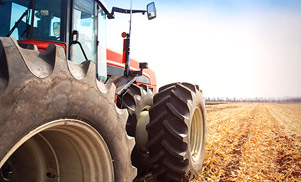
Business equipment loan
- Own farming, dental or commercial kitchen equipment from the get-go
- Loan is secured by the equipment
- Option to make a balloon payment
Other vehicle & equipment finance
Wondering if you could get a better rate?
Our business lending specialists could help.
Enquire now to negotiate a rate tailored to your needs.
Popular articles

Funding vehicle and equipment purchases
Learn whether purchasing outright or financing the asset using a loan, lease or hire purchase is suitable for you.

Equipment and car tax deductions
Get familiar with equipment and car tax deductions to help your small business when it comes to tax time.

Applying for a business car loan
Learn tips to improve your chances of getting approved and about the documents you’ll need.

Upgrading your equipment or premises
Things to consider if you’re looking for new equipment, business vehicles or expanded premises.
Keep exploring
Frequently asked questions
A balloon payment is a lump sum paid at the end of your loan term. It could help you get the car and equipment that your business needs while freeing up your cash flow via lower monthly repayments. However, you’ll pay more interest over the loan term. Without a balloon payment, your monthly repayments will be higher, and you’ll pay less interest and won’t need to pay a lump sum at the end of the loan term.
Yes, they can if they meet the following eligibility criteria:
- Their business is based, registered and operating in Australia.
- The vehicle or equipment is fully or mostly used for business purposes.
You may be able to claim tax deductions from financing your vehicle and equipment used for business purposes, such as interest and depreciation of the asset under vehicle or equipment loan or hire purchase, and rental instalments under lease. You should obtain independent, professional tax advice to determine the tax implications relevant to your individual circumstances.
Things you should know
Eligibility, credit criteria, fees, charges, terms and conditions apply.
#Interest charges will accrue and be capitalised at the end of the deferred payment period. Contract length may be extended by 3 months. Additional credit criteria may apply.
Applications for vehicle and equipment finance are subject to the Bank's normal lending criteria.
Any tax information described is general in nature and it is not tax advice or a guide to tax laws. We recommend you seek independent, professional tax advice applicable to your personal circumstances.